
One of the solutions that changes our lives is the blockchain solution.
Blockchain solutions apply to lots of sectors of life.
With a blockchain, we can imagine the contracts that have digital code and stored in a shared and transparent database.
In this kind of world every contract, every payment, every transaction, every task will have a digital record and signature that can be verified, stored and shared.
One of the critical aspects of any technology that comes in is technology adaption.
Blockchain as a new trend must pass the technology adaption process.
Two dimensions affect how technology and its business can evolve.
The first point is the novelty of the technology.
It means the degree that technology is new to the world.
The more novel the technology, users must have more efforts to understand its advantages and also disadvantages.
The second point is the complexity of technology.
It means the number and diversity of the nodes that work together in the ecosystem.
The same will be true for blockchain applications.
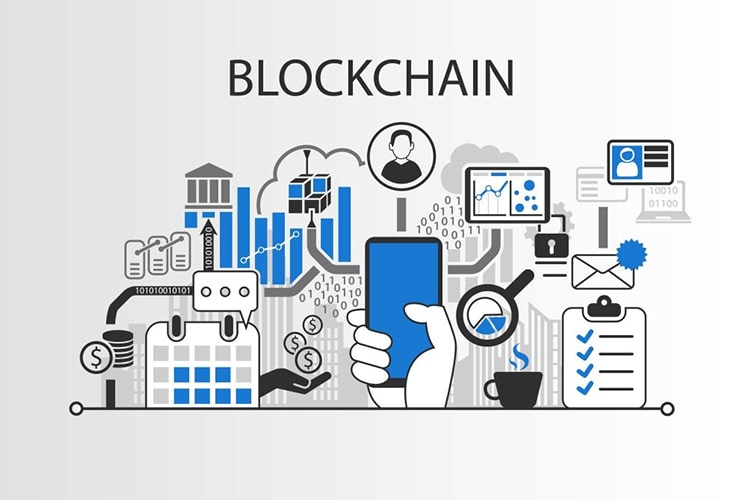
Let’s see how blockchain works.
Someone requests transactions.
A P2P network consisting of computers, known as nodes recieve requested and broadcasted transaction.
The network of nodes validate the transaction and the user’s status using known algorithms.
A verified transaction can involve cryptocurrency, contracts, records or other information.
Once is verified, the transaction is combined with other transactions to create a new block of data for the ledger.
The new block is then added to the existing blockchain, in a way that is permanent and unalterable.
And finally, the transaction is completed.
The blockchain solutions also are going to change the sectors like banking and finance, supply chain management, government and so on.
For example, one of the main applications of blockchain solutions are in the governance sector.
A blockchain-based government solution can also eliminate the dark points and has the following advantages: